Pages

Showing posts with label Science 2019. Show all posts

Wednesday, 16 October 2019

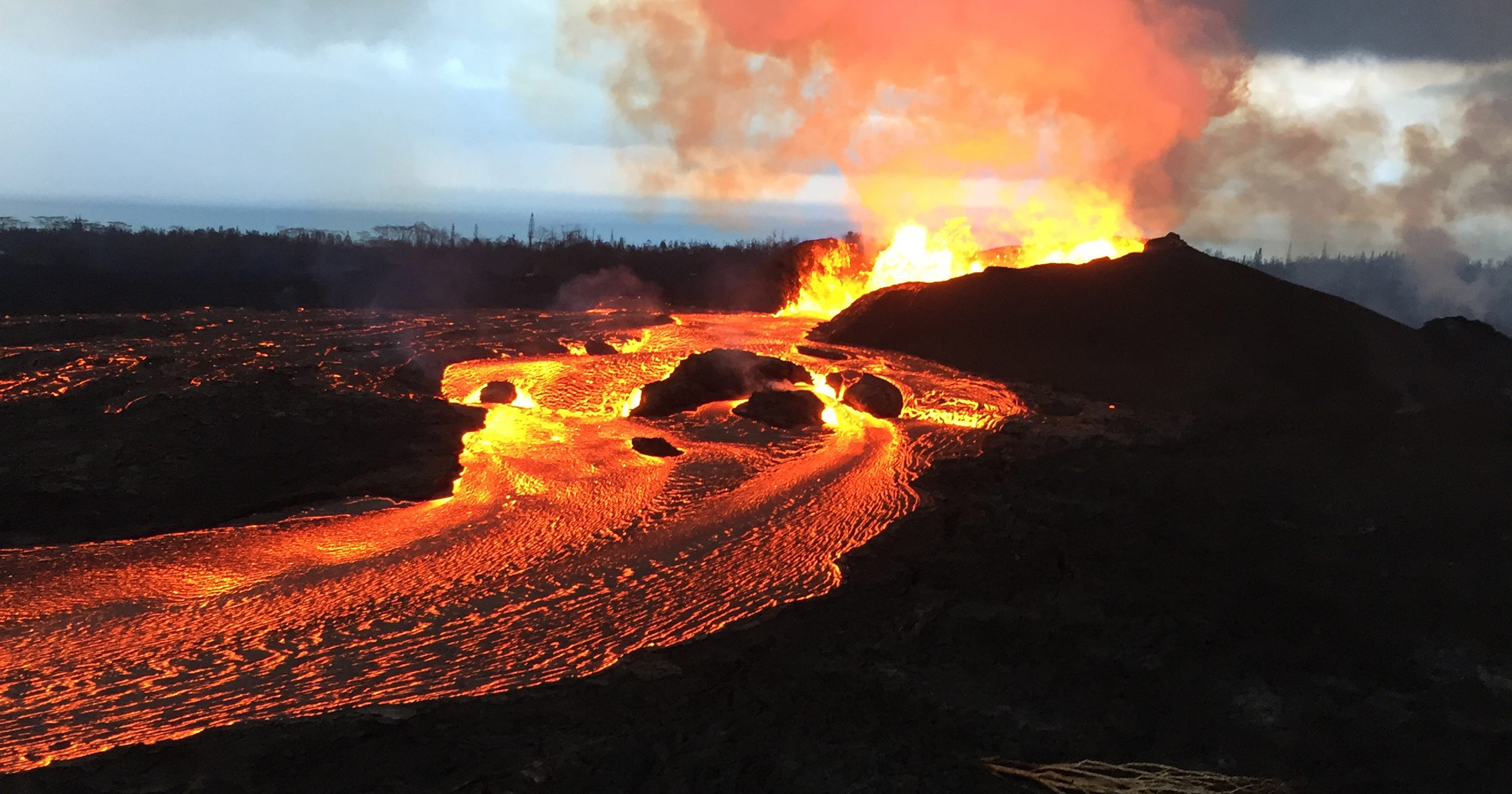
Kilauea volcano


Image result for kilauea

Kīlauea is an active shield volcano in the Hawaiian Islands that last erupted between 1983 and 2018. Historically, Kīlauea is the most active of the five volcanoes (Kilauea, Mauna Loa, Mauna Kea, Hualalai, Kohala) that together form the island of Hawaiʻi.

A shield volcano is a broad dome volcano with gently sloping sides, It is named for its low profile, resembling a warriors shield lying on the ground. It is usually composed almost entirely of fluid lava flows. 

Thursday, 12 September 2019

Catapults

Image result for catapult popsicle sticks and rubber bands
Catapults work by storing tension either in twisted ropes or a flexed piece of wood. When the catapult is released, it quickly transforms from potential energy to kinetic energy. Then the kinetic energy is transformed into gravitational potential energy as the object flies in the air. Once the ball is launched, the only forces acting are gravity and resistance. Gravity accelerates the ball in the negative y direction. Air resistance accelerates the ball in the opposite direction of travel.

Wednesday, 26 June 2019

Cellphones - Metals


Image result for mobile phone

What metals is a cellphone made out of? A cellphone is made from a variety of metals, with the most common being aluminium alloys, lightweight materials commonly found in the phone case. Lithium cobalt oxide and carbon graphite are used to make the batteries. Elements like gold, copper and silver are used in the wiring of the phone.
What metals are used on a mobile circuit board? Plastics and fibreglass are used to make mobile-phone circuit boards, which are then coated with gold plating. Silver: A soft white precious metal, silver is also used in mobile-phone circuit boards. The metal is primarily produced as a by-product when producing copper, gold, nickel and zinc.

Wednesday, 10 April 2019

Experiment

I did an experiment in class where I would fill a plate with water, put a lit candle in the middle, and cover it with a cup/jar. The outcome was that the water from the plate would all be sucked up into the cup.

How does it work?
The candle would burn out all the gases in the jar creating a lack of oxygen causing a change of pressure inside the jar. The flame heated up the jar and then once all the oxygen burned away, the candle would go out. The drop in temperature would create a vacuum-like suction to pull in all the water.

*NOT MY VIDEO*